We combined our first grade classrooms today for the 3 Act lesson I just completed on comparing lengths. This was a different format than we had used before for 3 Act lessons.
I thought this was the perfect time to try out the fill in the blank feature on Nearpod (see below). In Nearpod, I type in the sentences I want to use and highlight the words that should be in the word bank. When the students see the question, the boxed words show up in the word bank at the bottom of the screen and they slide them to their correct positions. 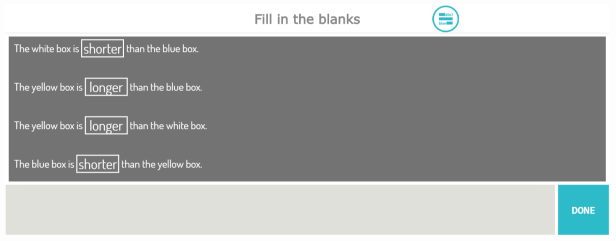
Students shared iPads in partner groups to discuss the lesson.
The more we introduce 3 Act tasks in first grade the more focused they become, but we often need to funnel student questions sometimes when we ask, “What do you notice, what do you wonder?” so that they focus their attention on how the video relates to math questions.
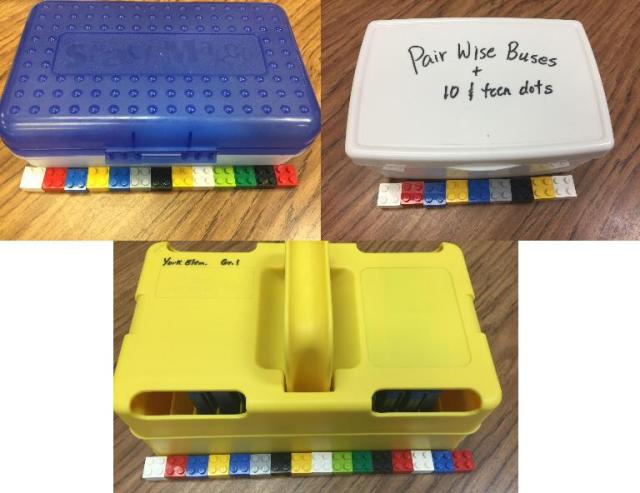
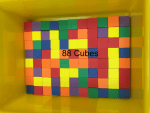
It was really interesting to see and hear students during the Act 2 video, because they choral counted the length of each box as they were laid out in the video.
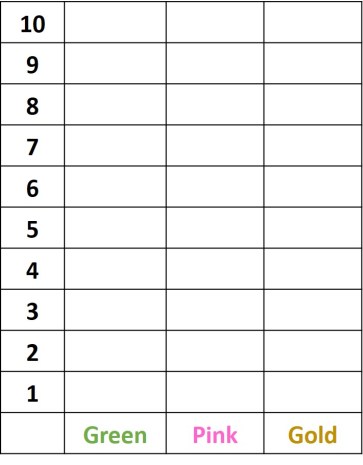
We made an anchor chart for them to refer back to during the prove it portion of Act 2 that looked like this:
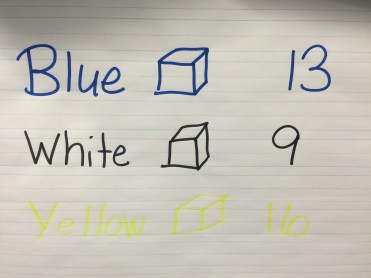
The question we presented for Act 2 was: “Which box is the shortest? Which box is the longest?”
As students were drawing and reasoning about which box was shortest and which was longest, we noticed that many groups were struggling with recording their thinking. The act of organizing their information into a drawing or equation that would answer the question was causing a lot of great conversation between partnerships. The two first grade teachers and I joined groups and probed for specificity in their solutions. Many students drew a solution and submitted it quickly without checking and discussing with their partners to agree on what to submit. This brought up a great teaching point on what types of checks we should perform before submitting answers.
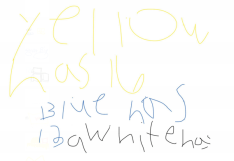
When we asked groups to share their thinking, we started with this one:
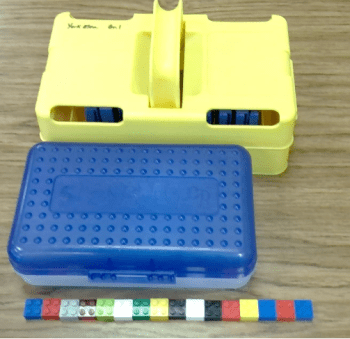
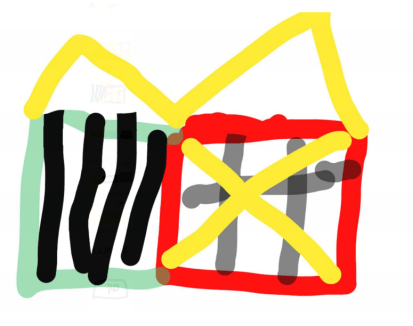 I started by asking, “I’m a little confused about this one, is anyone else having trouble with this drawing?” Several students raised their hands and I asked them to share. One student said, “there aren’t any green or red boxes. They are blue, white and yellow.”
I said, “yeah, that’s what I was having trouble with. What was your thinking here?” One of the students from this partnership said, “that’s the Legos.” I said, “oh the red and green are the Legos. Does anyone have any questions for them about that?” A student raised his hand and said, “we were measuring the boxes, not Legos.” So I replied, “does this picture tell us which box is shortest or longest? ” The students said “no.” I said, so how could they make this better so that they answer all parts of the question?” Students: “draw the blue, white and yellow boxes.” “Okay, that sounds like that might be a good strategy. Do you agree that would help your audience see your thinking?”
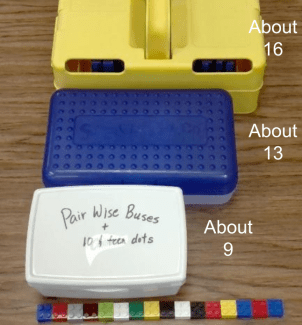
The next group that shared, showed the drawing to the right. When I asked them about their drawing, they said, “The yellow box is the longest.” I said, “oh, what is this in here?” The student said, “that is the 16 because it is 16 long.” I said, “oh so you labeled it so we would know how long it was. Are these the legos that were used to measure?” Student: “yes.” Me: “Okay, can you tell us more about your picture?” Student: “No.” Other teacher, “you said you drew that box over there for something. What is that?” Student: “Oh, that is the white box. It’s the shortest.” Me: “So what do we think of this drawing? Does it answer the question? How could this drawing be improved to prove their thinking?”
The drawing on the left is the next drawing. It is very similar to the one directly underneath it. When the students showed this drawing, I said, “tell me about your drawing. I see some numbers. Are these the boxes?” Student: “yes, the yellow is the longest.” Me: I see a 16 in both the yellow and blue, tell me about that.” Student: “well the blue is not supposed to be 16, it is 13.” Me: “Okay, so you just labeled that incorrectly? Which one is the 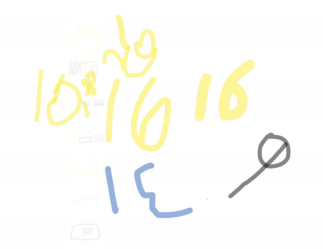 shortest?” Student: “the white one. It is only 9.” Me: “9 what?” Student, “9 legos long.” “Oh, okay. I see the numbers and I see how you labeled the yellow one long. That helps me to know your thinking. What could you add to the white box to let me know your thinking about that?” Student: “shortest.” Me: “yes, that would help me to know, how about you class? Would that help tell us know which is the shortest?”
We always wish we had time to look at all of the solutions more in depth, but by this time our 1st graders attention spans have reached their limit. Our plan is to start using peer conferencing for each group to have the opportunity to share with another group and receive feedback, but first we have to set the expectations and the protocols so that they have an idea of what descriptive feedback looks and sounds like. The conversations we hear kids having with each other elevate each time we present them with a new 3 Act task.
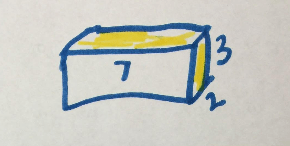
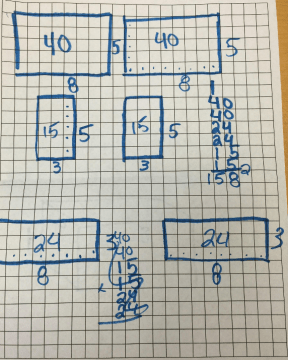
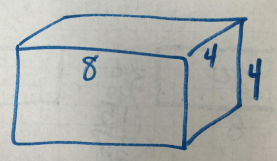
Below are the remaining solutions. Look through the drawings and determine what questions we might ask to help students identify and think through precision and detail when solving problems.












 While the teacher was working with her, it became apparent that the tool was not automatic for her in subitizing numbers to ten. When she was flashed a two-digit number, she had no idea what to pay attention to in the few seconds she had to look at the image. She was not seeing the structure that the rack provides. It became apparent that she needed some strategies to apply structure and meaning to the tool in order to be successful at subitizing large numbers.
 her to show me 16. She stared blankly at me for a minute and then pulled over 6 and stopped. I said, Hmm, let’s think about what the number 16 looks like, can you find it on the number line for me? She pointed to it and I said, you’re right! There are 6, but what does the one tell us? She said one ten. I said now show me that one ten very quickly on the rekenrek. She did and then I said and what would 6 more look like. She showed me and looked at me for praise:) I said, hmm, what is 10 and 6 is that 16? She looked puzzled and said no.
 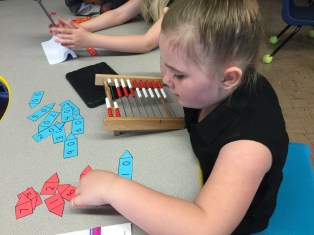 shows 10, now find the arrow that shows 6. Slide them together. What number is that? She said 16 with a big grin on her face. I asked, were you right? She said yes:)
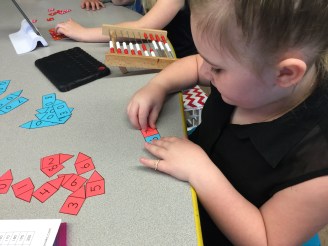 continued with a few more numbers while also making the numbers with place value arrows.
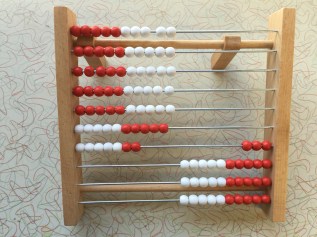 a 2-digit number and a 1-digit number. If a student is able to visualize a number (67) on the math rack (see picture) it becomes very easy for them to visualize how many more to get to the next decade (3 are missing) or to 100 (33 are missing). This leads to more advanced addition strategies by decomposing numbers instead of relying on finger counting and number lines to count on.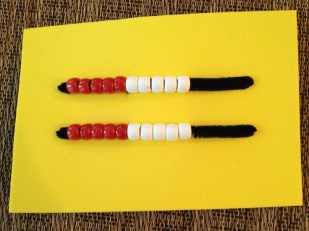
 attention to or how to create a visual representation.



 mscastillosmath